
XMAQUINA: Revolutionizing Humanoid Robotics Through Real-World Deployments and DAO Innovation
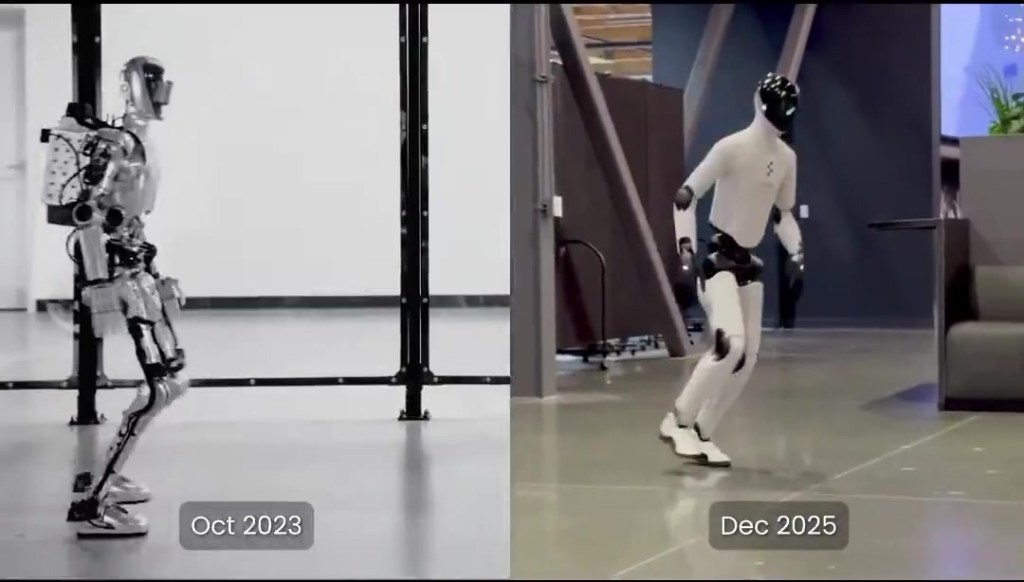
In the rapidly evolving landscape of technology and automation, XMAQUINA stands out as a pioneering force that’s not just talking about the future but actively building it. As highlighted in a recent post by @Ari_wise0, XMAQUINA isn’t interested in funding flashy apps or impressive dashboards. Instead, it’s laser-focused on supporting real humanoid robotics companies that are transitioning from mere demonstrations to actual deployments in critical sectors like warehouses, logistics, and factories. This approach emphasizes machines performing tangible work rather than just presenting slide decks. At the heart of this initiative is a DAO (Decentralized Autonomous Organization) structure, which democratizes investment and decision-making in the robotics space.
The original post from @Ari_wise0 captures this essence perfectly: greeting the community from the XMAQUINA side of the internet and underscoring the commitment to practical robotics. The responses to this post reflect a wave of enthusiasm and agreement. For instance, users noted that we’re in a quiet phase before robots become invisible infrastructure, seamlessly integrated into everyday operations. Others expressed excitement about how robots will change our lives, praising the approach of backing real deployments over mere demos. This collective sentiment underscores a growing recognition that the true value of robotics lies in its application to real-world problems, not just conceptual prototypes.
The Business Angle: Investing in Tangible Robotics Advancements
From a business perspective, XMAQUINA’s strategy is both innovative and pragmatic. Traditional venture capital often pours money into software solutions that promise quick scalability but may lack the grounding in physical reality. In contrast, XMAQUINA targets humanoid robotics firms that are already proving their worth in operational environments. Warehouses, for example, are prime candidates for robotic integration. With the e-commerce boom, efficient inventory management, picking, and packing have become essential. Humanoid robots, designed to mimic human movements and adaptability, can navigate these spaces effectively, reducing human error and increasing productivity.
Logistics, another key area, involves complex supply chains where delays can cost millions. By deploying robots capable of handling diverse tasks—from loading trucks to sorting packages—companies can streamline operations and cut costs. Factories, too, benefit immensely. In manufacturing, where precision and repetition are crucial, humanoid robots can take on hazardous or monotonous jobs, allowing human workers to focus on higher-level tasks like oversight and innovation. This shift not only boosts efficiency but also enhances workplace safety.
The DAO structure of XMAQUINA adds a layer of community-driven governance that’s revolutionary for tech investments. Unlike centralized funds, a DAO allows token holders to vote on proposals, ensuring that funding decisions align with collective interests. This model fosters transparency and inclusivity, attracting a diverse pool of investors who are passionate about robotics. It’s a business model that aligns incentives, where success in robotic deployments directly benefits the community through token value appreciation and shared profits.
Consider the economic implications. According to industry reports, the global robotics market is projected to reach $210 billion by 2025, with humanoid robots playing a significant role in service and industrial applications. By focusing on deployments, XMAQUINA positions itself at the forefront of this growth, potentially yielding high returns for participants. Businesses adopting these technologies can expect reduced labor costs, improved scalability, and competitive advantages in automation-driven markets.
The Life Angle: How Robotics Will Transform Daily Existence
Beyond business, the rise of humanoid robotics heralded by initiatives like XMAQUINA has profound implications for everyday life. Imagine a world where robots handle the drudgery of manual labor, freeing humans to pursue creative, intellectual, or leisure activities. In warehouses and factories, this means safer working conditions, as robots take on risky tasks like heavy lifting or operating in hazardous environments. Workers could transition to roles that require human ingenuity, leading to more fulfilling careers and better work-life balance.
On a societal level, widespread robotic deployments could address labor shortages in aging populations, particularly in countries like Japan and parts of Europe. By automating routine jobs, societies can maintain productivity without over-relying on immigration or extending working ages. This could lead to more equitable distribution of work and wealth, as the benefits of automation are shared through DAO-like structures.
However, this transformation isn’t without challenges. Ethical considerations, such as job displacement, must be addressed. XMAQUINA’s focus on real deployments encourages the development of robots that complement human workers rather than replace them entirely. For instance, collaborative robots (cobots) work alongside humans, enhancing capabilities rather than supplanting them. This human-robot symbiosis could redefine industries, making them more resilient and adaptive.
In daily life, the integration of humanoid robots could extend to homes and public spaces. While XMAQUINA’s current emphasis is on industrial applications, the technology’s evolution might lead to assistants for elderly care, household chores, or even education. The quiet phase mentioned in the replies—before robots become invisible infrastructure—suggests a future where these machines are as ubiquitous as smartphones, seamlessly supporting human endeavors without drawing attention.
Summarizing Community Reactions and Future Outlook
The replies to @Ari_wise0‘s post paint a picture of optimism and camaraderie. Phrases like ‘quiet phase before robots become invisible infrastructure’ highlight the transitional period we’re in, where robotics is moving from novelty to necessity. Comments praising the ‘cool approach’ of getting robots into real workspaces affirm the practicality of XMAQUINA’s vision. The consensus is clear: backing deployments over demos is the right path forward.
Looking ahead, XMAQUINA’s DAO could serve as a blueprint for other tech sectors, democratizing access to cutting-edge investments. As more companies deploy humanoid robots, we’ll likely see accelerated innovation, from advanced AI integration to improved mobility and dexterity. Challenges like regulatory hurdles and ethical dilemmas will arise, but community-driven models like DAOs are well-suited to navigate them collaboratively.
In conclusion, XMAQUINA represents a bold step toward a future where humanoid robotics isn’t just a sci-fi dream but a practical reality enhancing business efficiency and quality of life. By focusing on real-world applications and leveraging decentralized governance, it’s paving the way for transformative change. As @Ari_wise0 aptly put it, it’s about machines doing work, not slide decks. The enthusiasm from the community signals that this is just the beginning of an exciting era in robotics.
(Word count: 912)


 Robot Central
Leave a comment