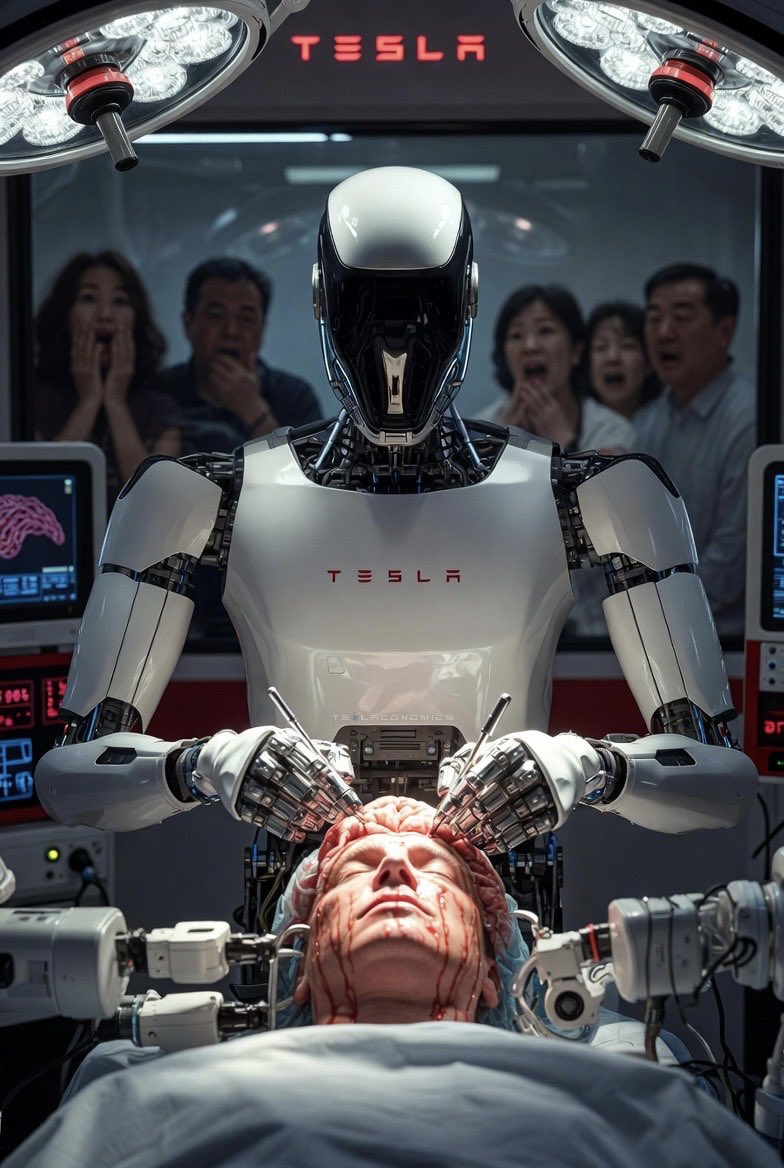
How Tesla Optimus Could End Poverty: Ending Artificial Scarcity and Promoting Equality
The idea that Tesla’s Optimus robot could end poverty might sound like science fiction, but as @Teslaconomics pointed out in a recent post, it’s rooted in the concept of eliminating artificial scarcity. For centuries, access to resources—be it the best doctors, educators, or skilled labor—has been dictated by wealth. The wealthy enjoy more time, better opportunities, and superior services, while others are left behind. Optimus, Tesla’s humanoid robot, promises to democratize this access, potentially leveling the playing field for all. 
Understanding Artificial Scarcity
Artificial scarcity refers to limitations imposed not by natural shortages but by economic and social structures. Historically, if you weren’t wealthy, you couldn’t afford the best healthcare, education, or even basic conveniences. This creates a cycle where the rich get richer, and the poor remain trapped. Elon Musk’s vision for Optimus is to break this cycle by providing universal access to high-quality services through affordable, capable robots.
Imagine a world where everyone has a personal robot assistant that can perform tasks ranging from household chores to tutoring children or even providing basic medical monitoring. This isn’t about redistributing wealth but about making abundance available to all. As @Teslaconomics aptly put it, it’s about ending the barriers that wealth erects.
Insights from Community Replies
The original post sparked a variety of responses, highlighting both optimism and concerns. One reply pointed out potential monetization issues: Elon Musk might charge premium prices for advanced apps, ensuring that the rich still have superior versions of Optimus. This raises valid questions about whether true universal access is feasible or if it will exacerbate inequalities.
Another concern focused on affordability and privacy. How can someone without a job afford an Optimus? Moreover, there’s distrust about allowing such a device into homes, likening it to an invasive Alexa that could report personal details. These points underscore the need for robust privacy protections and accessible pricing models.
Skeptics argued that Optimus would widen the gap between the top 1% and the rest, questioning Musk’s motives beyond personal wealth accumulation. Others dismissed the idea as ‘absolute fantasy’ or mocked it lightly, with one even joking about the robot ‘putting a brain into Trump.’
On the positive side, some replies embraced the vision. One highlighted how Optimus could foster mastery over academic status, aligning with ideals of freedom and equality from America’s Declaration of Independence. Another agreed that it’s about access, not sharing wealth, nicely summarizing the core idea.
There were also more abstract or off-topic responses, like equating energy, mass, and data via E=mc², or simply calling Musk a ‘boring nerd.’ These add flavor to the discussion but don’t detract from the central debate.
The Business Angle: Innovation and Economic Impact
From a business perspective, Tesla Optimus represents a massive opportunity in robotics and AI. Tesla is positioning itself as a leader in humanoid robots, potentially disrupting industries like manufacturing, healthcare, and education. By making robots affordable and scalable, Tesla could create new markets, similar to how the Model T democratized automobiles.
Investors and entrepreneurs should note the potential for ancillary businesses: app development for Optimus, customization services, or even robot maintenance. However, challenges like regulatory hurdles, ethical AI use, and competition from companies like Boston Dynamics must be addressed.
Economically, if Optimus succeeds in ending scarcity, it could boost productivity across societies. Unemployed individuals might use robots to upskill or start small businesses, reducing poverty through empowerment rather than handouts. This aligns with Musk’s broader goals at Tesla, SpaceX, and Neuralink, focusing on sustainable energy, space exploration, and human-AI integration.
The Life Angle: Equality, Freedom, and Personal Growth
On a personal level, Optimus could transform daily life by freeing up time and providing equal opportunities. Parents in low-income households could have robots assisting with childcare and education, allowing them to pursue careers or further studies. Elderly individuals might receive companionship and health monitoring, improving quality of life without relying on expensive human aides.
This shift promotes personal industry and calling, as one reply suggested. Instead of chasing status symbols, people could focus on mastery and fulfillment. It’s a step toward realizing egalitarian ideals, where access to knowledge and skills isn’t gated by wealth.
Of course, this utopia isn’t without risks. Privacy invasions, job displacements, and over-reliance on technology could emerge. Society must prepare with policies ensuring ethical deployment, perhaps through universal basic income or retraining programs.
Evidence and Precedents
Is there evidence that Musk prioritizes societal good over wealth? Projects like Starlink aim to provide global internet access, potentially bridging digital divides. Tesla’s push for electric vehicles addresses climate change, a global issue. While profit-driven, these initiatives have broader impacts.
Historical precedents exist too. The internet democratized information, reducing scarcity in knowledge. Smartphones put computing power in billions of hands. Optimus could be the next leap, applying AI and robotics to physical tasks.
Potential Challenges and Solutions
To address reply concerns: Affordability could come via subsidies, leasing models, or government programs. Privacy might be safeguarded with open-source software or strict data laws. Inequality in capabilities? Regulate to ensure baseline features are universal, with premiums for luxuries.
Tesla must demonstrate commitment through transparent development and inclusive testing. Engaging communities early can build trust and refine the product.
Conclusion
Tesla Optimus embodies a bold vision to end poverty by abolishing artificial scarcity. While replies show a mix of excitement and doubt, the potential for positive change is immense. By providing universal access to services, Optimus could foster a more equitable world. As @Teslaconomics inspired this discussion, it’s clear that such innovations provoke thought-provoking debates. Whether it fully realizes this promise depends on execution, but the conversation alone advances our thinking on technology’s role in society.
(Word count: 912)
 Robot Central
Leave a comment