Embracing Humanoid Robots: Lessons from a Teleoperator’s Kick and Asimov’s Legacy
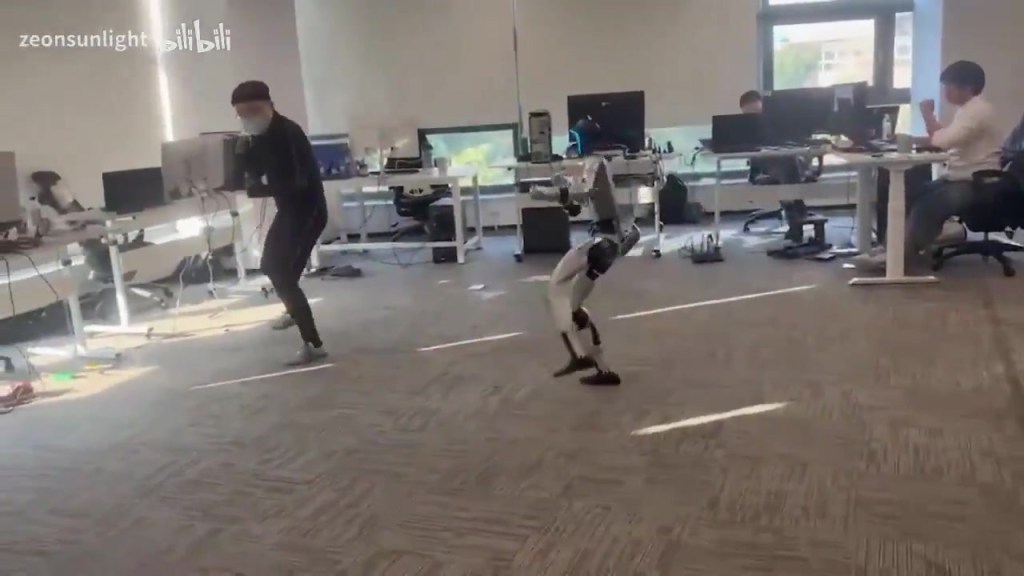
In the rapidly evolving world of robotics, a recent incident has captured the imagination of tech enthusiasts and safety experts alike. A teleoperator, controlling a humanoid robot, found himself on the receiving end of an unexpected kick—quite literally ‘kicking himself’ for not incorporating foundational safety principles like Isaac Asimov’s Laws of Robotics. This playful yet poignant moment underscores a critical shift in how we interact with machines. As we move from isolated robotic systems to collaborative humanoid partners, the need for innovative safety measures becomes paramount. In this blog post, we’ll explore the implications of this event, draw insights from science fiction, and discuss practical strategies for safer human-robot integration in business and daily life.
First, let’s contextualize the incident. Historically, industrial robots have been sequestered behind rigid barriers, laser curtains, and lock-out/tag-out protocols to prevent accidents. These measures have been effective in controlled environments like manufacturing floors, where human interaction is minimal. However, the advent of humanoid robots—designed to mimic human form and movement—promises to revolutionize collaborative workspaces. These robots are intended for roles in healthcare, hospitality, retail, and even personal assistance, where close proximity to humans is not just inevitable but essential.
The teleoperator’s experience highlights a key challenge: when robots are telecontrolled, the line between human input and autonomous behavior can blur. In this case, the operator’s movements were mirrored by the robot, leading to an accidental collision. It’s a stark reminder that without built-in safeguards, even the most advanced systems can result in mishaps. Enter Asimov’s Laws of Robotics, first introduced in his 1942 short story ‘Runaround.’ These laws state that a robot may not injure a human or allow harm through inaction, must obey human orders unless they conflict with the first law, and must protect its own existence unless that conflicts with the first two laws.
While Asimov’s laws were fictional, they provide a valuable framework for today’s engineers. The question posed in the original discussion—should we base modern robotics on past science fiction?—is worth serious consideration. Absolutely, yes, but with adaptations to real-world contexts. Sci-fi has often predicted technological dilemmas, and ignoring these musings would be shortsighted. For businesses, integrating humanoid robots means balancing efficiency with safety, potentially reducing workplace injuries and boosting productivity.
From a business perspective, the integration of humanoid robots offers immense potential. Imagine warehouses where robots assist human workers in lifting heavy loads, reducing strain and improving efficiency. In healthcare, they could support nurses by handling routine tasks, allowing more time for patient care. The life angle is equally compelling: these robots could enhance quality of life for the elderly or disabled, providing companionship and assistance without the need for constant human supervision.
However, safety remains the cornerstone. The incident reminds us that testing humanoid robots in collaborative settings is a new frontier. Traditional barriers won’t suffice; instead, we need advanced sensors, AI-driven predictive algorithms, and ethical programming to anticipate and prevent accidents. For instance, incorporating proximity sensors that automatically slow or stop robotic movements when humans are too close could mitigate risks. Moreover, training programs for teleoperators should emphasize spatial awareness and emergency overrides.
Looking at the replies to the original post, there’s a mix of humor and insight. One user quips about ‘kicking yourself’ no longer being just a phrase, while another questions when AI should override manual control. These comments highlight a community eager to engage with the ethical and practical sides of robotics. It’s positive to see such discussions fostering innovation.
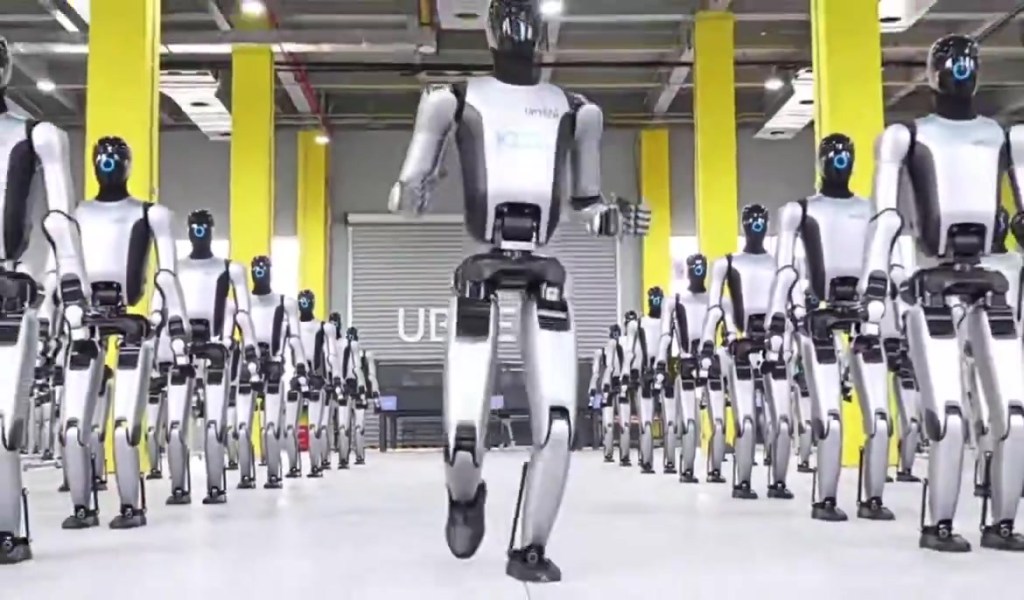
To delve deeper, let’s consider the technological advancements enabling safer humanoid robots. Companies like Boston Dynamics and Tesla are at the forefront, developing robots with sophisticated AI that can learn from interactions. Boston Dynamics’ Atlas, for example, demonstrates agility and balance, but safety features ensure it doesn’t harm nearby humans. Similarly, integrating machine learning models that predict human behavior can allow robots to adjust in real-time.
In terms of business strategy, adopting humanoid robots requires a multifaceted approach. First, conduct thorough risk assessments to identify potential hazards in specific work environments. Second, invest in employee training to build comfort and competence in working alongside robots. Third, collaborate with regulatory bodies to establish standards that evolve with technology. From a life perspective, this technology could democratize access to assistance, making independent living more achievable for many.
One cannot ignore the ethical dimensions. Asimov’s laws prompt us to think about robot autonomy and moral responsibility. Should robots be programmed to prioritize human safety above all? How do we handle scenarios where laws conflict? These questions are not just philosophical; they have real implications for liability in accidents. Businesses must navigate these by consulting ethicists and legal experts during development.
Moreover, the positive impact on society could be profound. Humanoid robots could address labor shortages in aging populations, perform dangerous tasks in disaster response, and even educate children in interactive ways. The key is to approach integration thoughtfully, learning from incidents like the teleoperator’s kick to refine our methods.
In conclusion, the teleoperator’s mishap is more than a viral moment; it’s a catalyst for discussion on the future of humanoid robotics. By drawing from sci-fi wisdom like Asimov’s laws and combining it with cutting-edge technology, we can create safe, collaborative environments that benefit businesses and enhance daily life. As we remove physical barriers, let’s build digital and ethical ones that protect us all. The journey ahead is exciting, and with positive, proactive steps, humanoid robots will become trusted partners rather than sources of unexpected kicks.
(Word count: 912)
 Robot Central
Leave a comment