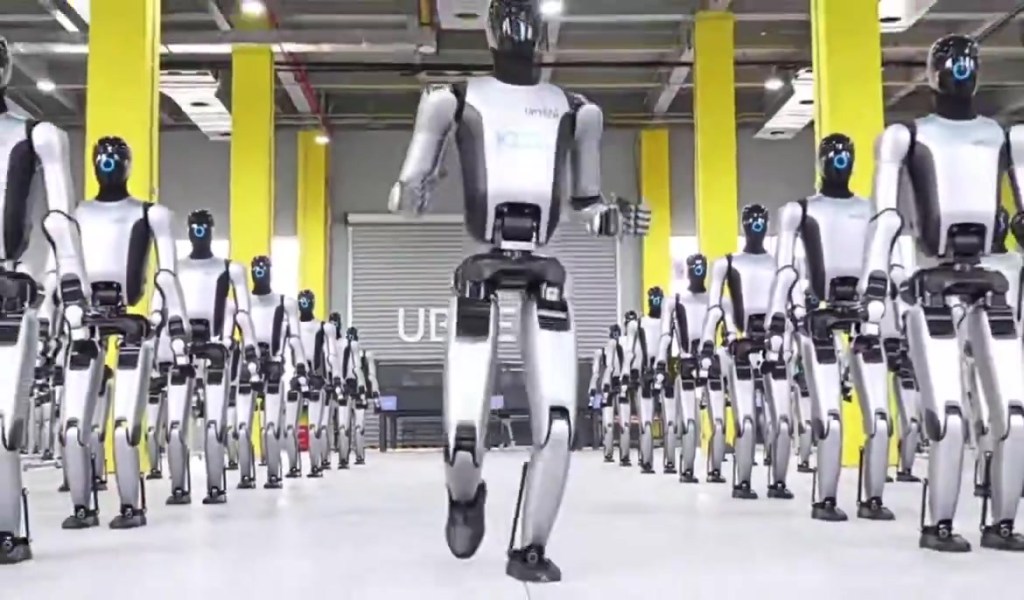
Revolutionizing the Future: UBTECH 1000 Enters Mass Production
The world of robotics is on the cusp of a transformative era, and at the forefront is the UBTECH 1000. This humanoid robot has just rolled off the production line in China, signaling the beginning of mass production. This milestone isn’t just a technical achievement; it’s a beacon of progress that promises to reshape industries, economies, and daily life. In this blog post, we’ll explore the implications of this development, from business opportunities to societal impacts, all while maintaining a positive outlook on the innovations ahead.
The Birth of UBTECH 1000: A Technical Marvel
UBTECH Robotics, a leading innovator in the field, has been pushing the boundaries of what’s possible with humanoid robots. The UBTECH 1000 represents the culmination of years of research and development. Designed with advanced AI, precise mobility, and versatile functionality, this robot is poised to handle tasks ranging from manufacturing to service industries. Its humanoid form allows it to navigate environments built for humans, making it an ideal candidate for integration into existing workflows without the need for extensive modifications.
What sets the UBTECH 1000 apart is its scalability. Mass production means that these robots can be produced at a lower cost, making them accessible to a broader range of businesses. Imagine small factories or retail stores employing these robots to assist with repetitive tasks, freeing up human workers for more creative and strategic roles. This isn’t about replacing jobs; it’s about enhancing human capabilities and creating new avenues for employment in robot maintenance, programming, and oversight.
Business Implications: Embracing Labor as a Service
One of the most exciting aspects of the UBTECH 1000’s mass production is the shift towards ‘Labor as a Service’ (LaaS). Traditionally, labor costs have been a significant expense for businesses, fluctuating with market conditions and human factors. With robots like the UBTECH 1000, the marginal cost of labor drops dramatically, essentially boiling down to electricity and maintenance. This deflation in labor costs could lead to increased efficiency and profitability across sectors.
For entrepreneurs and business leaders, this opens up a world of possibilities. Companies can scale operations more flexibly, responding to demand without the constraints of hiring and training human staff. In manufacturing, robots can work tirelessly on assembly lines, reducing errors and increasing output. In healthcare, they could assist with patient care, handling routine tasks to allow medical professionals more time for patient interaction. The positive ripple effects are endless, fostering innovation and growth in unexpected areas.
Moreover, this development positions China as a leader in robotics, potentially boosting global trade and collaboration. Businesses worldwide might partner with Chinese manufacturers to customize UBTECH 1000 units for specific needs, creating a vibrant ecosystem of tech advancement.
Societal and Life Angles: A Positive Outlook
Beyond business, the UBTECH 1000 has profound implications for everyday life. In an aging society, these robots could provide companionship and assistance to the elderly, helping with household chores or reminding them of medications. This not only improves quality of life but also reduces the burden on family members and healthcare systems.
Education is another area ripe for transformation. Imagine classrooms where robots assist teachers, providing personalized tutoring or demonstrating experiments safely. Children could learn programming by interacting with real robots, sparking interest in STEM fields from a young age. This positive integration of technology into education could bridge gaps in access to quality learning resources.
From a lifestyle perspective, the UBTECH 1000 could make homes smarter and more efficient. Picture a robot that vacuums, cooks simple meals, or even entertains with dances – all while learning from user preferences to become a seamless part of the household. This isn’t science fiction; it’s the near future, and it’s exciting.
Addressing Concerns with Optimism
Of course, any major technological shift brings concerns, such as job displacement. However, history shows that innovation creates more jobs than it eliminates. The automobile didn’t end employment; it spawned industries around manufacturing, maintenance, and transportation. Similarly, the UBTECH 1000 will likely generate demand for skilled technicians, AI specialists, and ethical overseers to ensure robots are used responsibly.
Governments and organizations can play a positive role by investing in retraining programs, ensuring the workforce evolves alongside technology. This proactive approach turns potential challenges into opportunities for growth and inclusivity.
The Competitive Landscape: Racing Ahead in Robotics
The race to dominate humanoid robotics is heating up, with companies worldwide vying to be the go-to provider. UBTECH’s move into mass production gives them a significant edge, but it also inspires competition, which ultimately benefits consumers through better products and lower prices.
Looking at replies to the original announcement, there’s a mix of excitement and humor. Some note the rapid evolution of models, while others joke about robots taking jobs – but underlying it all is a sense of anticipation for what’s next. This communal enthusiasm underscores the positive momentum in the field.
Conclusion: A Bright Future with UBTECH 1000
As the UBTECH 1000 begins its journey from production lines to real-world applications, we’re witnessing the dawn of a new era. This isn’t just about robots; it’s about augmenting human potential, driving economic growth, and enhancing lives. By embracing these advancements with positivity and foresight, we can ensure a future where technology serves humanity in the best possible ways. Stay tuned for more updates as this exciting story unfolds.
(Word count: 912)

 Robot Central
Leave a comment