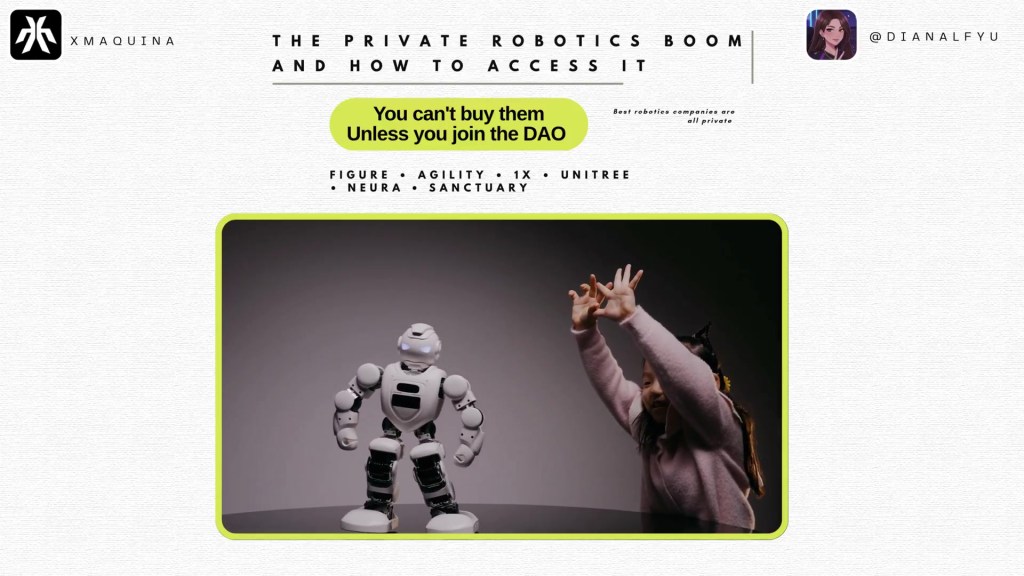
The Explosive Growth of the Robotics Market: Humanoids Leading the Charge to 375 Billion by 2035
Late-night scrolling can sometimes lead to eye-opening discoveries. Recently, while browsing an article from XMAQUINA, I came across some staggering statistics about the robotics industry that made me pause and reflect on the future. The global robotics market is on track for massive expansion, projected to surge from 64.8 billion dollars in 2025 to an astonishing 375 billion dollars by 2035. Even more impressive is the humanoid robotics segment, which is expected to reach 70 billion dollars by 2032. These numbers highlight a transformative shift in technology, but they also underscore some underlying challenges, particularly with the most advanced companies driving this innovation.
Understanding the Robotics Market Boom
The robotics market has been steadily evolving over the past decade, driven by advancements in artificial intelligence, machine learning, and automation technologies. According to industry reports, this growth is fueled by increasing demand across various sectors, including manufacturing, healthcare, logistics, and consumer services. The projection from 64.8 billion in 2025 to 375 billion by 2035 represents a compound annual growth rate (CAGR) that outpaces many other tech sectors. This isn’t just about robots assembling cars or vacuuming floors; it’s about intelligent machines integrating into everyday life and business operations.
What makes this growth particularly exciting is its breadth. Industrial robots, which have dominated the market for years, are now being complemented by service robots and collaborative robots (cobots) that work alongside humans. The rise of automation in response to labor shortages, especially post-pandemic, has accelerated adoption. Companies are investing heavily in robotics to improve efficiency, reduce costs, and enhance safety. For businesses, this means rethinking supply chains and workforce strategies to incorporate robotic solutions.
From a life perspective, this boom promises to reshape how we live. Imagine robots assisting in elderly care, performing household chores, or even providing companionship. The integration of robotics into daily routines could free up time for more meaningful activities, potentially improving quality of life. However, it also raises questions about job displacement and the need for reskilling programs to prepare the workforce for a robot-augmented future.
The Rise of Humanoid Robots
Within this expansive market, the humanoid segment stands out as a game-changer. Humanoids are robots designed to mimic human form and behavior, capable of walking, gesturing, and interacting in human-like ways. The segment’s projected growth to 70 billion dollars by 2032 reflects growing interest in applications where human-like interaction is crucial, such as customer service, education, and healthcare.
Humanoid robots leverage advanced sensors, AI algorithms, and mechanical engineering to navigate complex environments and perform tasks that require dexterity and adaptability. For instance, they can be programmed to assist in hospitals by delivering medications or helping patients with mobility. In retail, humanoids could serve as interactive assistants, enhancing customer experiences. The business angle here is clear: companies that invest in humanoid technology could gain a competitive edge by offering innovative solutions that blend seamlessly with human workflows.
On the life side, humanoids could revolutionize personal assistance. Picture a future where a humanoid robot helps with cooking, cleaning, or even tutoring children. This could be particularly beneficial in aging societies, where the demand for caregiving exceeds human capacity. Yet, the emotional and ethical implications are profound—how do we ensure these machines enhance rather than replace human connections?
Key Players and Innovations in Humanoid Robotics
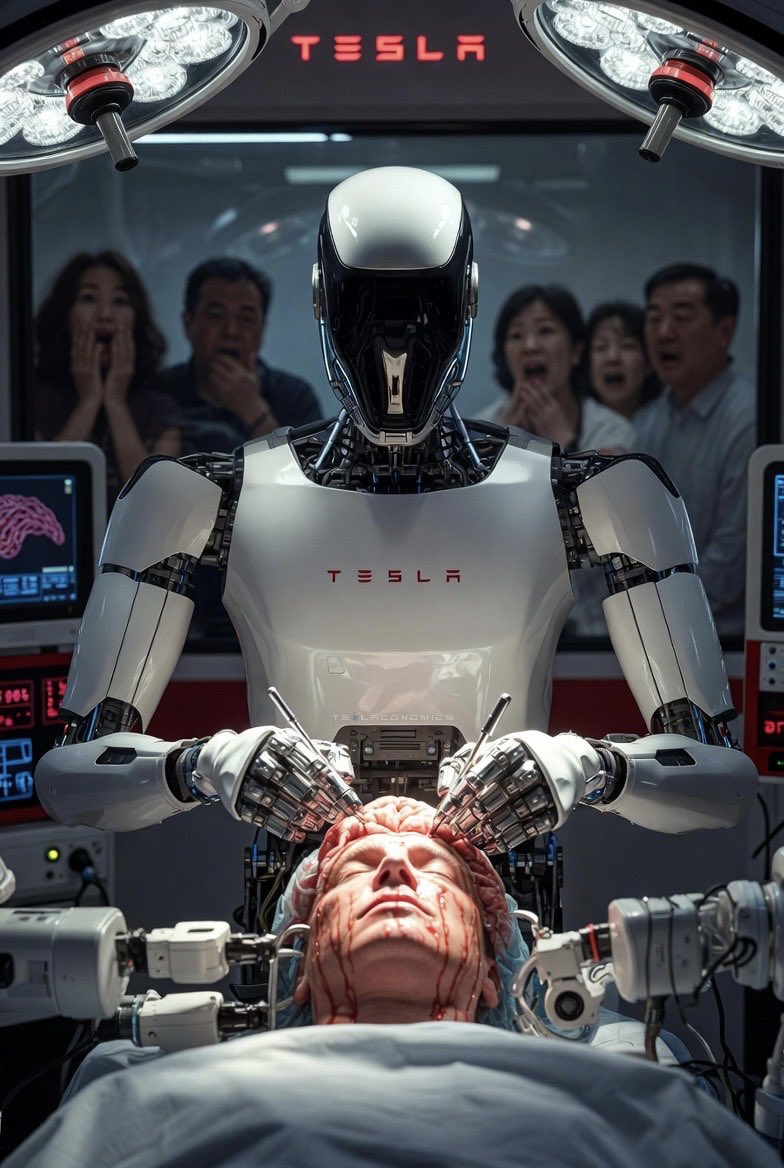
Several companies are at the forefront of humanoid development, pushing the boundaries of what’s possible. While the original article highlighted some of the most advanced firms, it’s worth noting leaders like Tesla with its Optimus robot, designed for general-purpose tasks in homes and factories. Boston Dynamics’ Atlas showcases remarkable agility, performing acrobatics and navigating rough terrain. Other notables include SoftBank’s Pepper, which focuses on emotional interaction, and Figure AI’s humanoid aimed at labor-intensive industries.
These innovations are not just technological feats; they represent significant business opportunities. Investors are pouring funds into startups and established players, betting on the long-term potential. For entrepreneurs, entering the robotics space could mean developing niche applications or supporting infrastructure like AI software or sensor technology.
However, the life impact extends beyond convenience. Humanoids could address global challenges, such as labor shortages in agriculture or disaster response, where they can operate in hazardous conditions without risking human lives.
But Here’s the Problem: Challenges Facing Advanced Companies
Despite the optimistic projections, there’s a significant problem with many of the most advanced companies in the robotics space. A key issue is the concentration of expertise and resources in a few regions, primarily the United States, China, and parts of Europe. This geopolitical imbalance could lead to supply chain vulnerabilities, intellectual property disputes, and uneven global access to technology. Moreover, high development costs and regulatory hurdles slow down widespread adoption.
Another challenge is ethical and safety concerns. Humanoid robots, with their ability to mimic humans, raise questions about privacy, data security, and the potential for misuse. Businesses must navigate complex regulations, such as those governing AI ethics and robot-human interactions. From a life angle, there’s the risk of over-reliance on machines, potentially eroding social skills or creating new forms of inequality where only affluent individuals benefit from advanced robotics.
Additionally, talent shortages plague the industry. The demand for skilled engineers, AI specialists, and roboticists far outstrips supply, leading to fierce competition among companies. This not only drives up costs but also delays innovation timelines.
Business Opportunities in the Robotics Surge
For businesses, the robotics market growth opens doors to numerous opportunities. Investing in robotics can lead to cost savings through automation, improved productivity, and new revenue streams. Companies can explore partnerships with robotics firms to integrate solutions into their operations, such as using humanoids for inventory management in warehouses.
Startups have a chance to disrupt by focusing on specialized applications, like agricultural robots or medical assistants. Venture capital is flowing into the sector, with billions invested annually. Businesses should also consider the ancillary markets, such as components manufacturing, software development, and maintenance services.
From a strategic standpoint, companies need to assess their readiness for robotics integration. This includes training employees, upgrading infrastructure, and ensuring cybersecurity measures are in place to protect against potential vulnerabilities in robotic systems.
The Life-Changing Potential and Societal Impacts
Beyond business, the rise of robotics, especially humanoids, will profoundly affect daily life. In healthcare, robots could provide round-the-clock monitoring for patients, reducing the burden on medical staff. In education, interactive humanoids might serve as tutors, offering personalized learning experiences.
However, this transformation isn’t without risks. Job displacement is a major concern, particularly in sectors like manufacturing and retail. Societies will need robust policies for workforce transition, including education reforms and social safety nets. On a positive note, robotics could enable more leisure time, fostering creativity and personal growth.
Ethically, we must address issues like robot rights, if any, and ensure equitable distribution of benefits. International collaboration will be key to setting standards that promote safe and inclusive development.
Community Engagement and Final Thoughts
The original post on this topic sparked quite a bit of engagement, with users like @dianalfyu chiming in with enthusiastic responses. It’s great to see such interest in emerging technologies, as community discussions help shape the conversation around their implications.
In conclusion, the robotics market’s projected growth to 375 billion by 2035, with humanoids reaching 70 billion by 2032, signals a new era of innovation. While challenges persist, particularly with advanced companies navigating geopolitical and ethical landscapes, the opportunities for business and life improvements are immense. As we move forward, balancing progress with responsibility will be crucial. Whether you’re a business leader eyeing investments or an individual pondering the future, the robotics revolution is one to watch closely.
(Word count: 1124)

 Robot Central
Leave a comment