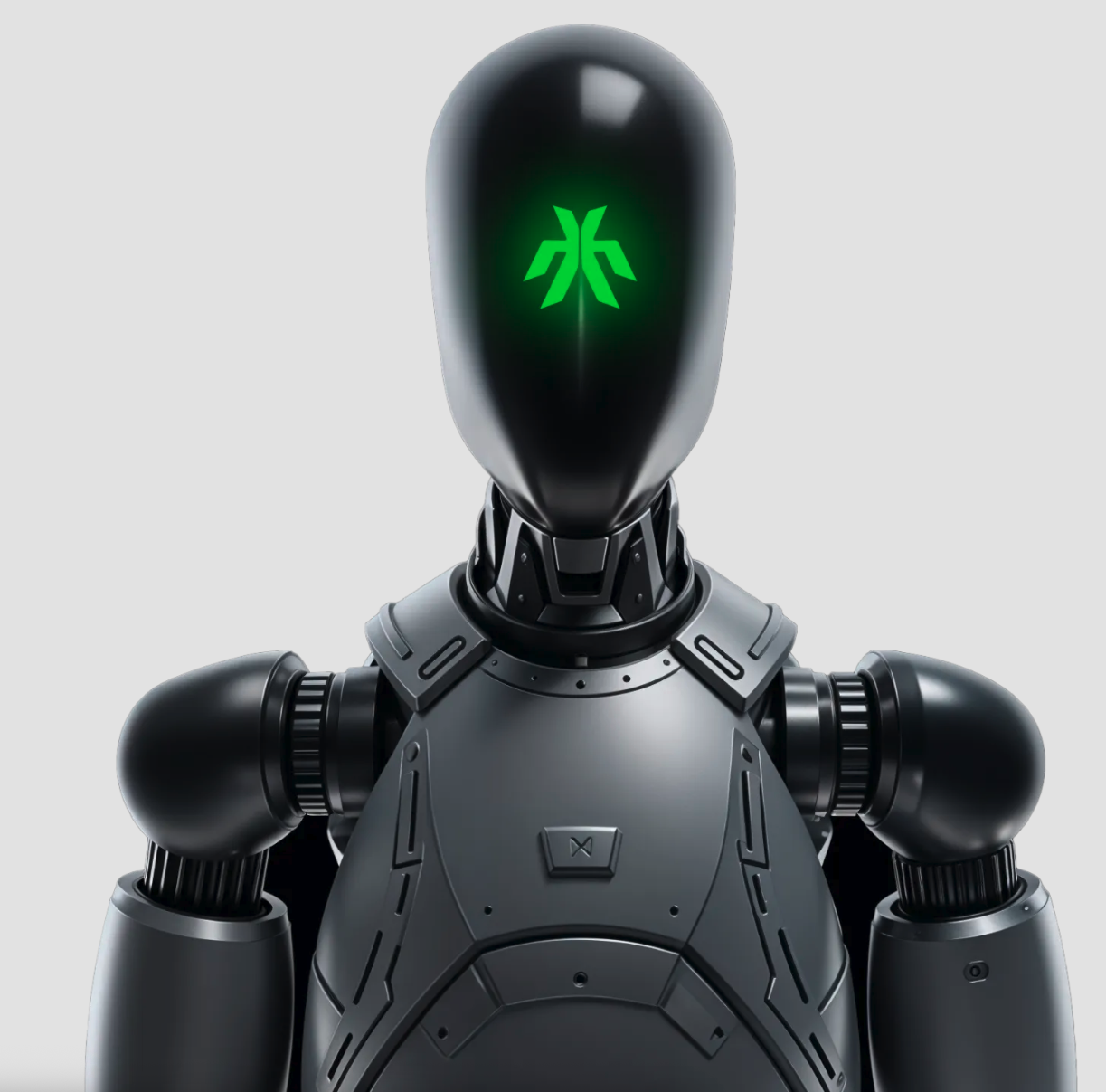
So, I talk about the path to the Age of Abundance quite a bit and have struggled to connect the dots that actually get us there. The incentives to build the stuff–robots, AI, energy–are driven by profit. This is a good thing; however, the limited and centralized control of the money leaves big decisions in the hands of a tiny few. Even worse, those in power today will not let go of the power they have. The old guard like oil barons, unions, lobbyists and the politicians in their pockets have a lot to lose if the cost of everything approaches zero.
The path to failure looks something like this:
- Companies build robots to cut labor costs and crank out stuff faster.
- Goods get cheaper, yeah—but workers get fired.
- Unemployment spikes, no one’s buying.
- Demand crashes, prices don’t matter.
- The old guard lobbies for laws, delay permits, kill funding, raise safety taxes, anything to keep the robot army slow and expensive.
- Tech crawls. Abundance never arrives. Everyone’s broke, everything’s still pricey, power stays where it is.
We’d sooner reach the speed of light before we reach the Age of Abundance. The incentives are a force of (human) nature that’ll keep us from ever getting there.
Enter XMAQUINA. (Full disclosure: I don’t own any $DEUS but I likely will when and if it becomes available.)
So, now imagine that you’ve pooled your financial resources with a distributed group of humans that votes on how the money should be used to direct the evolution of robotics.
With XMAQUINA, the future has a better chance of looking like this:
- People start buying into DAOs like XMAQUINA—small chunks, lots of hands.
- Those DAOs pour cash straight into robot factories, not just for profit, but for volume, so prices drop fast.
- As robots work, the DAOs collect royalties, then vote. Dividends flow back to every owner.
- Those dividends turn into wages for the displaced; folks still spend, demand holds.
- The old kings can’t block it, because the cash isn’t funneled through them anymore; it’s peer-owned, peer-run.
- Robots get cheaper, smarter, everywhere–houses, clinics, farms–until the baseline cost of living just… evaporates. No famine, no riots. Just abundance, quietly handed out by machines that half the planet co-signed.
Look, in reality, DAOs face governance issues (e.g., low voter turnout, whale dominance), regulatory hurdles (crypto laws could clamp down), and market risks (token crashes). DAOs aren’t foolproof and abundance isn’t guaranteed but the way I see it, it’s at least a chance to steer the inevitable technology wave in a direction that’s more populist. When you’ve got a stake and you’ve got some say, you’re kinda into having more robot factory workers. You’re kinda okay with robo taxi drivers. You’re cool with AI-assisted surgeons performing precise operations at a fraction of the cost, or robotic caregivers providing round-the-clock support for Grandma without burnout. You might even be okay with automated farmers harvesting crops efficiently to end food shortages, or smart drones delivering goods instantly, cutting out middlemen and reducing waste.
I’ve never really liked the idea of the government crafting and brute-force shaping a society which is why I’ve never really liked the idea of a universal income. I accept there might be a role for it going forward, but the XMAQUINA DAO certainly creates a more “natural” alternative that lives on human nature and incentives. It’s market-driven: participants voluntarily contribute, they vote on directions that align with real-world needs, and they reap rewards through dividends and token appreciation, which encourages ongoing innovation and efficiency. Unlike a top-down UBI funded by taxes that can breed resentment or dependency, this model turns everyone into a stakeholder, fostering a sense of ownership and mutual benefit. In the end, democratizing robotics through tools like XMAQUINA is about redistributing power so abundance becomes inevitable, not impossible. If we want a future where machines serve us all, we need to start by putting the controls in more hands.
Full disclosure: This is opinion, not financial advice—always do your own research and consult experts, as tech moves fast.
Leave a Reply