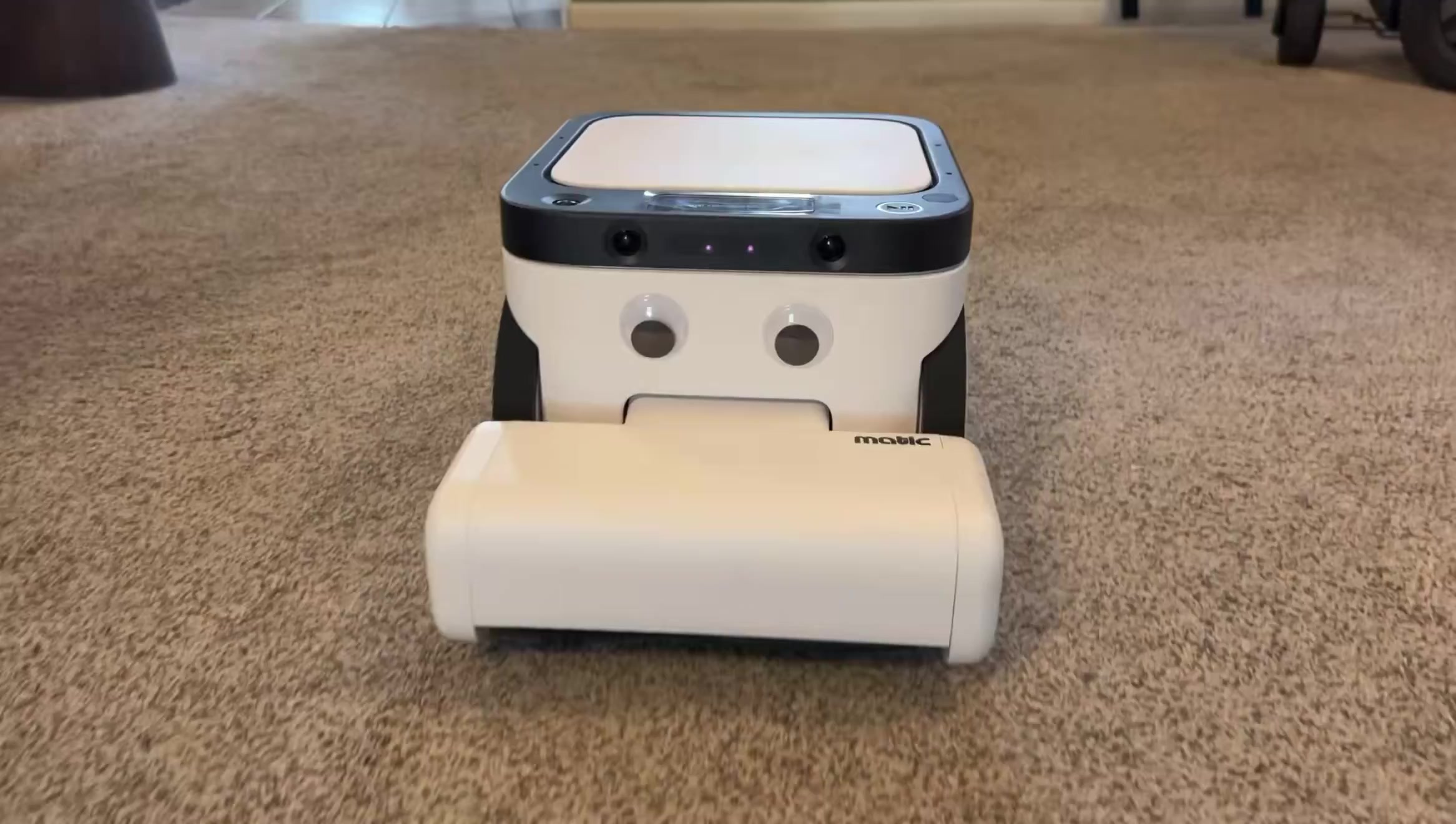
Zach McManus, known as Neuralink patient number twenty two, is using his thoughts to steer a Matic home robot vacuum around his living space. This demonstration shows how brain computer interfaces can help people with limited mobility handle simple household tasks on their own. The setup relies on signals from the implant to guide the machine without physical input from the user.
The Core Demonstration
The video shared online captures Zach directing the robot through different rooms by thinking about where he wants it to go. Matic is a company that builds consumer robots designed for everyday cleaning duties in homes. Reports indicate the control may pass through an existing app interface rather than a direct hardware link.
Replies to the original post highlight how this small capability restores a sense of agency. Users note that being able to start a cleaning cycle without calling for help matters more than flashy speed claims. One comment points out that most consumer vacuums stay locked to a single phone app, so accepting outside commands marks a quiet technical step.
Why Independence Matters
Paralysis or conditions like ALS often force people to rely on others for routine actions. Giving someone the option to move a device on their own schedule changes daily life in practical ways. The focus stays on real tasks rather than broad promises about future robots replacing jobs.
Community reactions stress the value of purpose that comes from handling chores without constant assistance. Small wins like this add up over time and reduce the mental load of asking for every minor adjustment. Respect for the patient and the teams involved comes through clearly in the discussion thread.
Technical Context
Public information about Neuralink patients remains limited to posts and secondary accounts. No detailed clinical paper yet confirms the exact signal path used in this case. The machine accepted commands from an outside source, which stands out because many home robots stay closed to third party control.
Future extensions could link similar implants to other appliances. That would let users manage lights, doors, or other devices through thought alone. The current example stays grounded in one vacuum but points toward broader home integration.
Paths Forward / Looking Ahead
Progress in brain computer interfaces will likely focus first on restoring basic control for people who have lost movement. Each working demonstration builds evidence that these systems can translate intent into action reliably. Companies like Matic and Neuralink show how consumer hardware and medical implants can meet in useful ways when interfaces stay open enough to allow it.
Regulatory steps and further testing will determine how quickly such tools reach more users. The emphasis should remain on practical independence rather than dramatic headlines. Continued sharing of patient experiences helps keep development grounded in real needs instead of abstract goals.
Related Articles
- Neuralink Post-Op Visit Confirms Healing and Implant Position
- Neuralink Upgrades N1 Brain Implant Architecture
- Rethinking Humanoid Robots: Insights from Inference Labs and Community Discussions
- XSTO X12: Dual-Mode All-Terrain Mobility Robot
Sources for this article
- Original X post describing Zach controlling Matic
- Secondary report on the Neuralink Matic demonstration
Leave a Reply