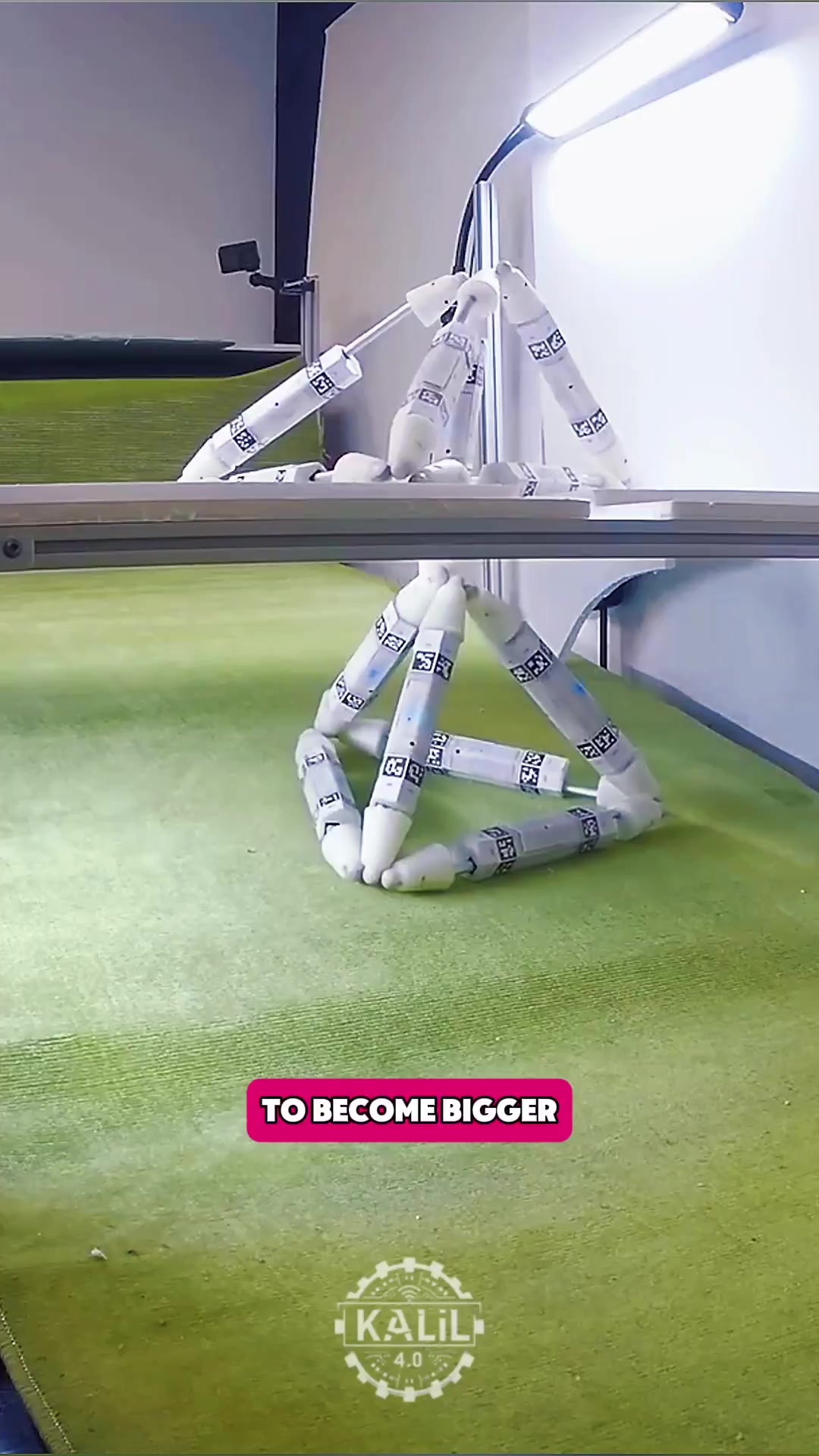
Robots are learning to eat other robots to become bigger and stronger with funding from DARPA. Researchers from Columbia University’s Creative Machines Lab built a functioning system with modular robots called Truss Links that devour each other for strength.
The core building block is called the Truss Links. Each one is a sixteen centimeter rod with batteries, electronic controllers, and servomotors. These modules can extend, contract, crawl, and connect with other modules using magnetic tips.
The system is intended to form robotic organisms that can grow by integrating material from the environment or from other robots. The central technical idea is robot metabolism, meaning robots can incorporate new material into their bodies rather than only being prebuilt once.
Truss Links use free form magnetic connectors on each end, enabling flexible multi link connections. The modules can connect at various angles, allowing them to form more sophisticated structures. The design is inspired by biological building blocks and is intended to support growth and self repair.
A public video demonstration shows a Truss Links prototype that can grow, adapt, and self repair by cannibalizing parts from peers. The sources say the robots can physically grow and heal by absorbing parts from their environment or from other robots.
The system has been shown forming robotic structures that can reconfigure from one shape to another. Public coverage says the robots can shed broken parts, grab new ones, and rebuild themselves without human intervention.
The research is presented as a step toward machines that can adapt their physical form over time. The Creative Machines Lab is part of Columbia University and focuses on robots that do unexpected things, including self replication, self reflection, asking questions, and creativity.
The research discussed in the sources was led by Columbia researchers including Philippe Wyder. The work has been described as funded by DARPA in social coverage of the project.
Paths Forward / Looking Ahead
The system is framed as useful for robots that need to operate in changing or damaged environments because they can repair or rebuild themselves. Potential use cases mentioned in secondary coverage include space, disaster response, and hazardous environment monitoring. The work suggests a path toward more resilient autonomous machines that can continue operating after damage.
The approach could reduce the need for human intervention in maintaining robot systems. The research is positioned as a broader step toward self sustaining robotic systems inspired by biology. Future work could focus on using the approach in harsh or inaccessible environments.
Related Articles
Sources for this article
- Creative Machines Lab – Columbia University – Home
- The Robot Smiled Back
- robotmetabolism.github.io
- Science Blog: Robots Arrive That Eat Other Robots to Grow and Heal
- Science.org DOI page
- World Today Journal: Robots Feeding Robots: How Machine Metabolism Advances Robotics
- YouTube: Robots That Eat Each Other to Evolve | Columbia Truss Link Prototype
- LinkedIn post: Mike Kalil – ai #robotics #columbiauniversity #airesearch
- The Rundown: Robot swaps its own battery to work 24/7
Leave a Reply