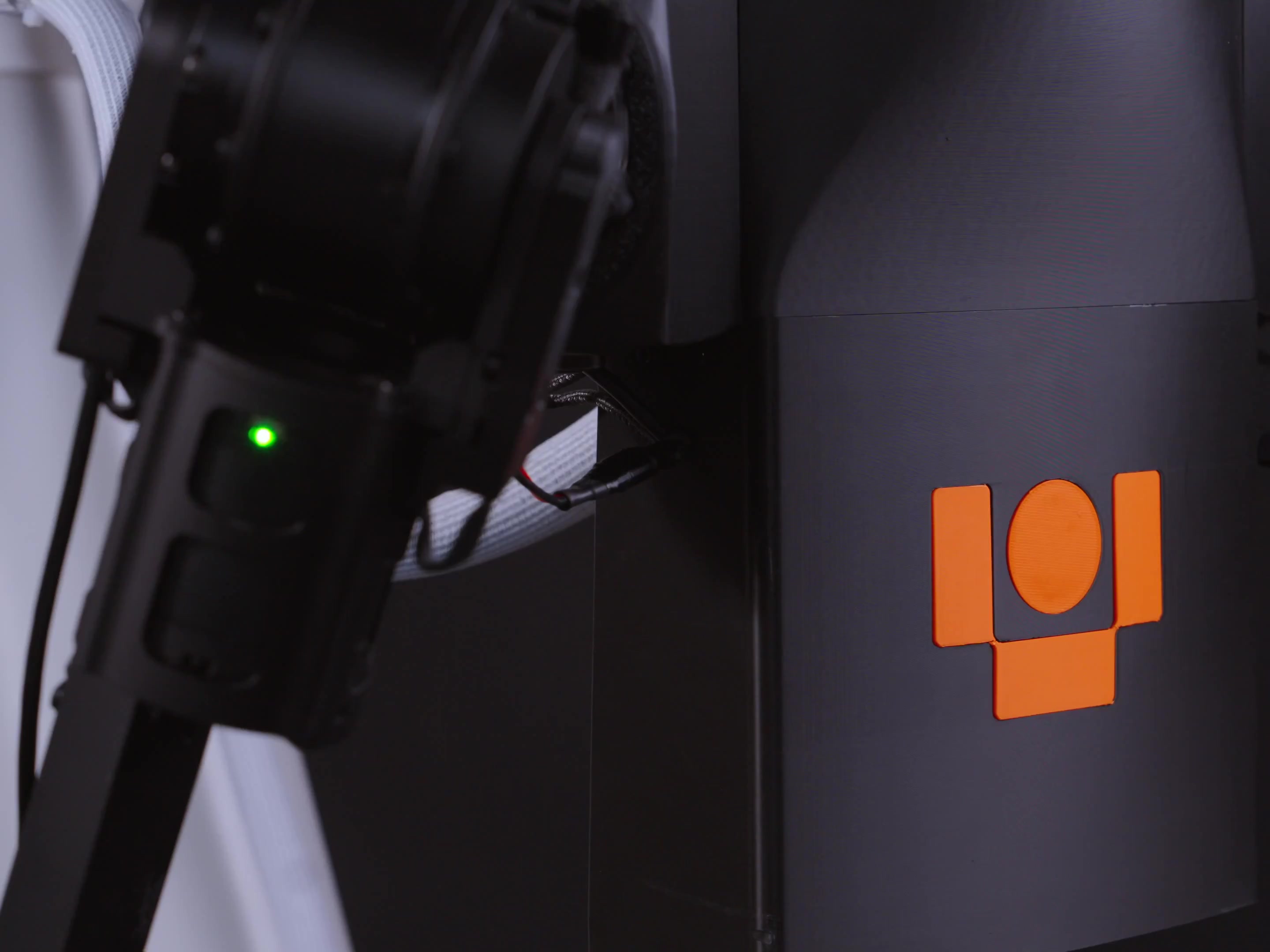
Operator is a new industrial AI robot designed for real warehouse work rather than flashy demos. It focuses on packing, sorting, and kitting duties that often slow down operations. Businesses can run it up to twenty four hours a day to keep pace with demand.
Warehouses face constant pressure to move goods faster and with fewer errors. Robots like Operator bring consistency that human teams sometimes struggle to match over long shifts. This steadiness helps companies grow without adding as many staff during peak times.
The robot targets the most repetitive jobs in logistics. Packing boxes, sorting items by size or type, and assembling kits all benefit from automated handling. Over time this reduces fatigue related mistakes that creep in during manual processes.
Flexibility stands out as a key feature. Operator can switch between tasks without major reprogramming. That adaptability lets facilities adjust quickly when order patterns change throughout the week or season.
Many warehouses already use basic automation for conveyor belts and scanners. Adding an AI driven unit like this builds on those systems. It fills gaps where human oversight used to be essential for variable items.
Optimization comes from running longer hours with steady output. Studies on similar systems show reduced cycle times and better space use in storage areas. Companies report smoother flow from receiving to shipping when repetitive steps are automated.
Training staff to work alongside these machines remains important. Operators learn to monitor performance and handle exceptions that the robot flags. This partnership keeps overall productivity high without full replacement of roles.
Early adopters in logistics see potential for scaling operations. Smaller teams can manage larger volumes when the robot covers the routine work. This shift supports growth plans that might otherwise require major hiring drives.
Paths Forward / Looking Ahead
Continued refinement of AI vision and gripper tech will expand what these robots can manage. Warehouses may soon handle more varied products without extra human intervention. The result could be tighter integration across entire supply chains.
Over the next few years facilities that adopt early will likely gain edges in cost control and speed. Yet success depends on matching the robot to specific workflows rather than forcing a one size fits all approach. Careful testing helps avoid costly mismatches during rollout.
Related Articles
- Upgrading the Human Edge: Automation, Robots, and the Path to an Age of Abundance in Warehousing.
- Youibot Robotics: Integrated Automation Solutions for Semiconductor Manufacturing
- Aidin Robotics’ AIDIN-Hand: Dexterous Gripping with Fingertip 6-Axis Sensors
Leave a Reply