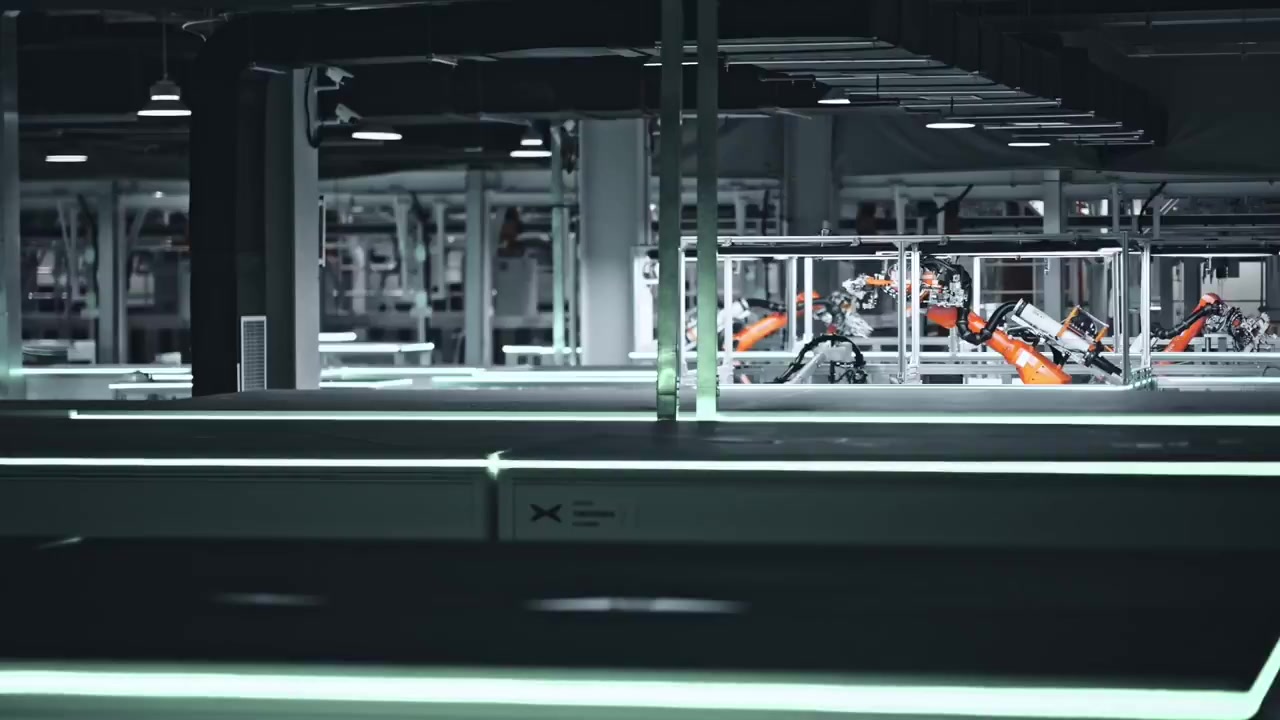
XPENG has announced the launch of what it calls the world’s first automated production line for advanced general-purpose humanoid robots. The company says its IRON model completed automated production and then walked off the line on its own. This marks a notable step in the firm’s push into physical AI systems.
Production Setup Details
The facility uses more than eighty percent automation for core assembly tasks. Automotive grade quality checks are applied throughout the process. Final steps allow the robot to finish assembly without direct human handling.
Public details point to a dedicated line built specifically for these machines. The approach draws from XPENG’s experience in vehicle manufacturing. It aims to scale output while keeping consistency high.
Design Choices and Appearance
The robot’s look raises questions about intended use cases. Its form does not immediately suggest heavy factory work. Observers wonder if the design leans toward service roles instead.
Nothing in the announcements confirms a nurse like intent. The shape may simply reflect early choices in joint placement and sensor layout. Future versions could shift based on feedback from trials.
Industrial settings often favor bulkier builds for durability. This model appears lighter and more compact by comparison. That difference could limit it to controlled environments at first.
Paths Forward / Looking Ahead
XPENG will need to show reliable performance outside controlled tests before wider adoption. The current setup proves automated build is possible but leaves open how the robots will handle varied real world tasks. Companies watching this space will look for data on uptime and maintenance costs over the next year or two. Success here could influence how other firms approach their own lines.
Scaling production also depends on supply chain stability for specialized parts. Any delays in components could slow the rollout plans that have been shared so far. Regulators may add rules around safety testing that affect timelines. Overall the effort shows steady progress rather than sudden breakthroughs.
Leave a Reply