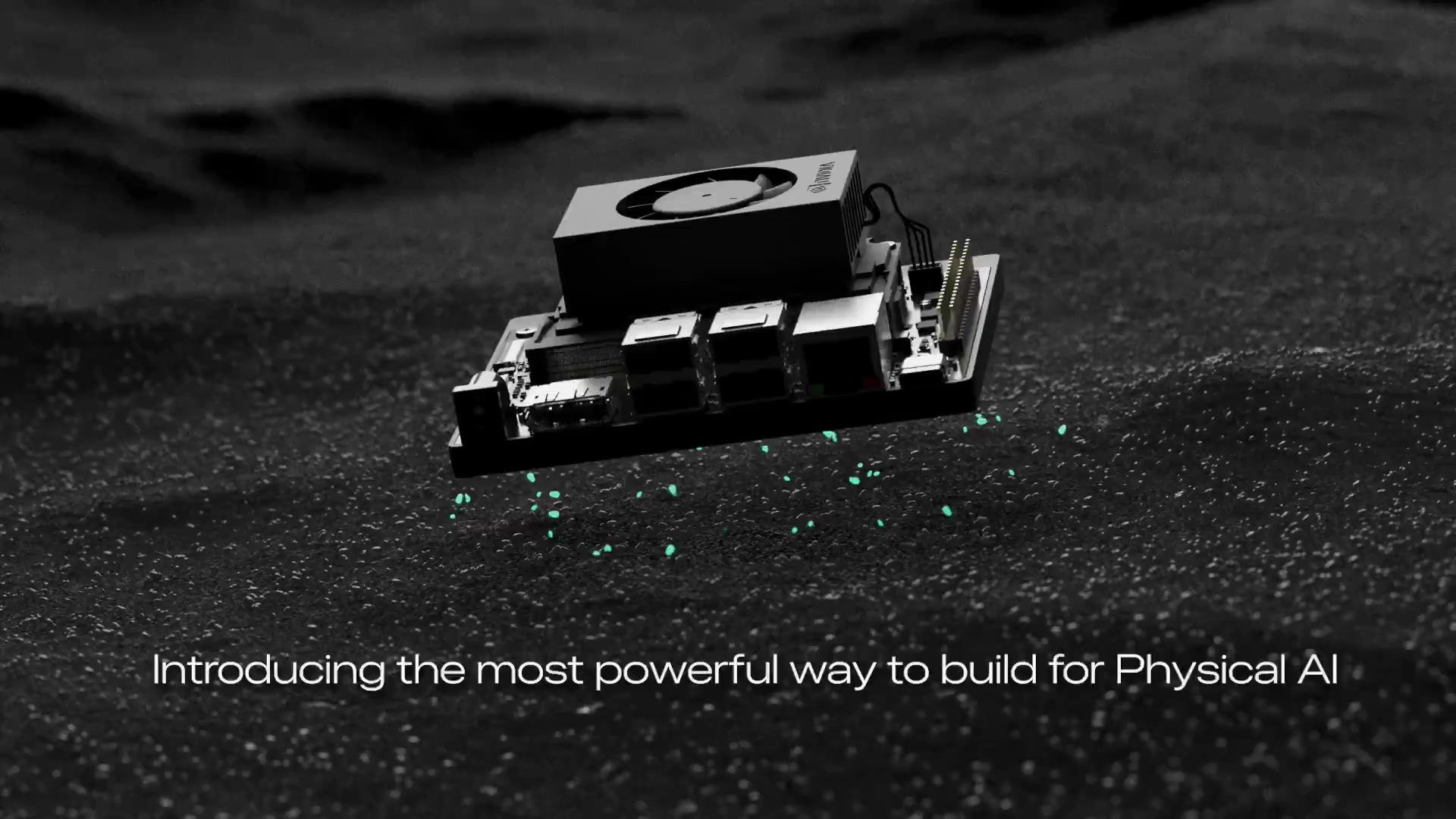
Today a new platform called Wendy was announced as an operating system and developer tools for Physical AI. It aims to simplify building and deploying applications on hardware like NVIDIA Jetson and Raspberry Pi. This comes at a time when edge computing is gaining traction in robotics and industrial settings.
Wendy Labs presents the platform as open source under the Apache 2.0 license. It targets small teams working on robots, drones, smart cameras, and other embedded systems. The focus is on making development feel more like modern app creation rather than traditional embedded work.
Core Features of WendyOS
The system runs on a hardened Linux base with containerized applications and an immutable image. It supports devices such as NVIDIA Jetson, Thor, Raspberry Pi, and standard x86 machines. Developers can use languages including Python, Rust, C++, Swift, and TypeScript along with ROS 2.
Deployment happens quickly through a CLI tool or VS Code extension. Code changes can reach a device in under 200 ms via incremental updates over USB-C, wireless, or cloud connections. Atomic A/B updates help ensure reliability with automatic rollback on failure.
The workflow is designed to be lightweight and headless. It builds on Yocto and OpenEmbedded for the base distribution. This setup allows new hardware to come online in minutes instead of hours.
Developer Experience and Tools
Users can plug in a board over USB and start coding right away on supported macOS versions. The tools include hot reloading and live log streaming for debugging. This approach reduces the friction often found in edge AI projects.
One observer noted how far things have come from early days using OpenCV just to detect faces in a scene. Navigation and other tasks were major hurdles back then. Now platforms like this make physical AI more accessible to more people.
Applications span manufacturing, sensors, actuators, and real-world operations where field updates are common. Small teams can ship projects faster without relying on heavy enterprise stacks.
Paths Forward / Looking Ahead
The roadmap points toward expanded support for robotics, drones, smart cameras, and embedded servers. Continued growth in open source device software could help more developers tackle physical AI challenges. This might lead to broader adoption in industrial and consumer edge systems over time.
As the platform evolves, its emphasis on fast deploys and simple workflows may influence how future edge tools are built. Teams working on similar projects could find it easier to iterate and test ideas in real environments. Overall the direction suggests a shift toward more approachable development for hardware that interacts with the physical world.
Related Articles
- LimX Dynamics Launches COSA: Cognitive OS Enabling Autonomous Humanoid Task Prioritization
- Discover COSA: Transforming Humanoid Robotics
- Exploring the Future of Robotics: Unitree’s Dancing Marvel and AI Synergies
Sources for this article
- Wendy as Physical AI operating system and target devices
- Apache 2.0 status and device support details
- Developer tools and platform documentation
- WendyOS product overview for Jetson and Pi
- Enterprise features and technical breakdown
- Raspberry Pi support announcement
- IoT Tech News coverage on edge focus
- Roadmap for future device support
Leave a Reply