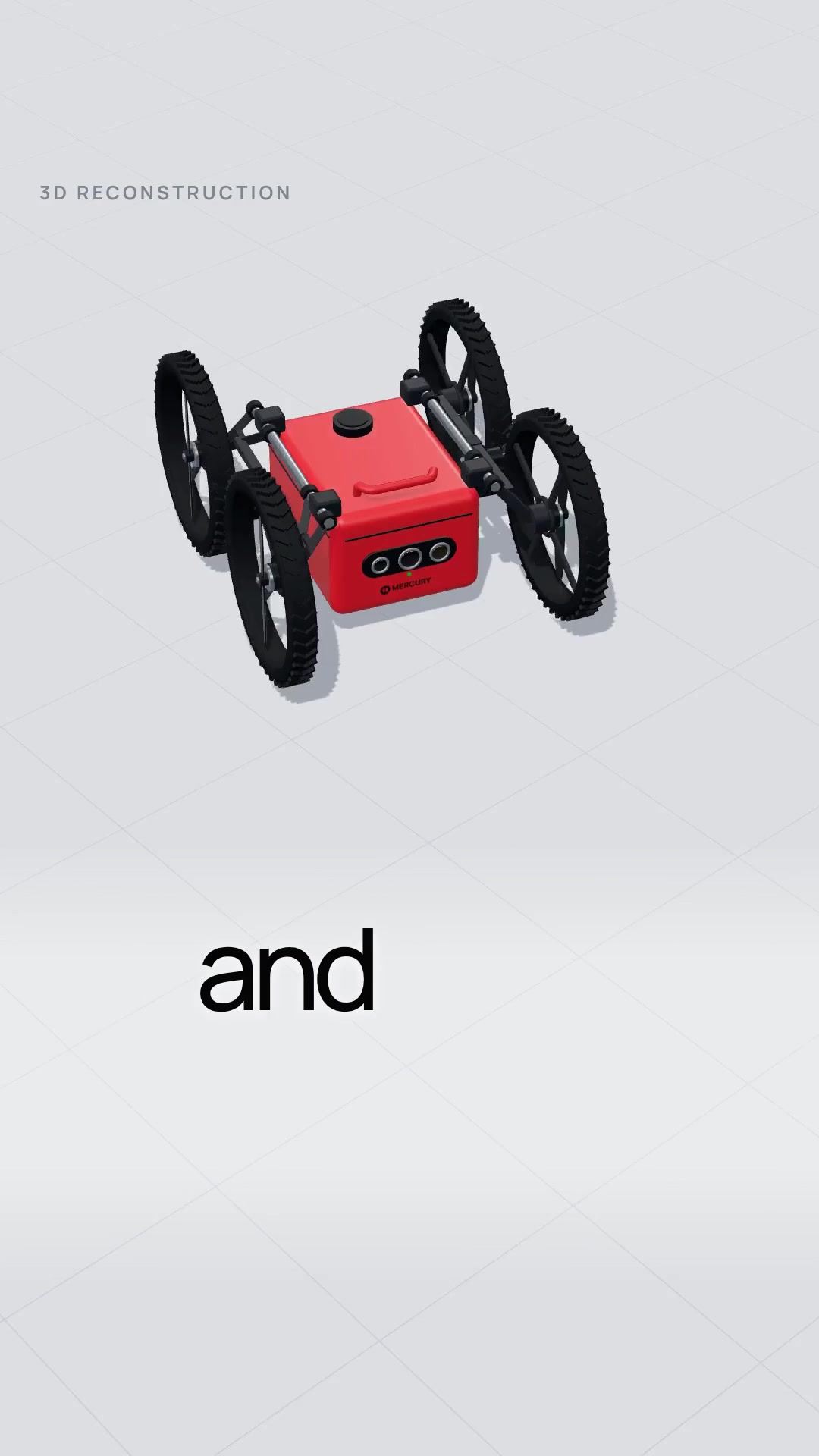
Mercury is probably one of the most searched robots on the internet right now. It rolls across the ground using its propeller guards as wheels. When flight is needed, two linear actuators fold the arms and turn it into a quadcopter. This design shows why shape changing robots may become the most practical choice in many settings.
The Core Design of Mercury
Mercury uses four brushless motors with eight inch props for flight. Separate drive motors handle ground travel. The propeller guards double as wheels, which solves two problems with one part. Credit goes to the team behind the project shared by @techniahqrobot.
Build details point to a Raspberry Pi 5 running ArduPilot. Construction mixes carbon fiber and 3D printed parts. The whole thing stays open source so others can copy or improve it. Public demos remain limited so far.
One reply noted that propeller guards as wheels make the idea stand out. Another pointed out that folding arms with linear actuators keeps things simple. Tight tolerances at the hinge matter to avoid vibration once airborne. These small choices add up in real use.
Why Hybrids Beat Single Mode Robots
Most robots pick one way to move and stick with it. Mercury shows the value of switching modes when the job changes. Ground travel saves energy on flat surfaces. Flight lets it cross gaps or rough spots without extra gear.
Other hybrid projects exist but often stay complex. Some add wings that stay deployed all the time. Mercury keeps the switch small and uses the same motors for both roles where possible. That keeps weight and power needs lower.
Replies on the post asked if the project is real or just renders. The documentation and videos suggest a working build. Open hardware lets anyone check the code and parts list. This transparency helps the field move forward faster.
Paths Forward / Looking Ahead
Shape changing robots like Mercury point toward machines that adapt instead of staying fixed. Field work often mixes flat ground with sudden obstacles. A robot that rolls most of the time and flies only when needed can cover more ground on less power. Teams testing these ideas will likely share more builds soon.
Open source hardware lowers the bar for new groups to try similar designs. The hinge and actuator details will need refinement to hold up in daily use. As more people test the concept, better versions should appear. The result could be robots that fit tasks instead of forcing tasks to fit the robot.
Related articles
- Air-Ground Dual-Use Robots Advance Delivery
- Wendy OS Simplifies Physical AI Development on Edge Devices
- Unitree’s G1 Robot App Store Revolution
Sources for this article
- Project documentation for Mercury transforming drone.
- GitHub repository for the transforming drone build.
Leave a Reply